

Are Keywords Still Relevant in SEO? The Truth About Search in 2026
The short answer is yes, but not in the way most marketers used them five years ago.
If your SEO strategy still relies on finding a magic phrase, placing it in an article five times to hit a specific keyword density percentage, and expecting top rankings, your content is effectively invisible.
Search engines no longer match text character-for-character. Powered by Large Language Models (LLMs), AI Overviews, Generative Engine Optimization (GEO), and advanced Natural Language Processing (NLP), engines now interpret human intent, context, and entities.
Keywords have shifted from being the destination of content to serving as the data points that guide topic depth.
What Is Happening Right Now in Search?
Three major shifts define modern search landscape:
1. From Search Engines to Answer Engines
Users rarely search using fragmented 2-word queries like “best running shoes.” They ask conversational, highly specific questions: “What are the best running shoes for flat feet when training for a half marathon on asphalt?” Search engines synthesize answers directly on the results page using AI Overviews and Answer Engine Optimization (AEO) frameworks.
                     TRADITIONAL SEO vs. MODERN AI SEARCH

  Traditional Keyword Model               Modern Entity & Context Model
┌───────────────────────────┐           ┌───────────────────────────┐
│ User types: "SEO agency"  │           │ User asks conversational  │
│                           │           │ detailed question         │
└─────────────┬─────────────┘           └─────────────┬─────────────┘
              │                                       │
              ▼                                       ▼
┌───────────────────────────┐           ┌───────────────────────────┐
│ Search Engine matches     │           │ AI Engine extracts        │
│ exact phrase on webpage   │           │ semantic context & entities│
└─────────────┬─────────────┘           └─────────────┬─────────────┘
              │                                       │
              ▼                                       ▼
┌───────────────────────────┐           ┌───────────────────────────┐
│ Displays ranked list of   │           │ Synthesizes structured    │
│ 10 organic blue links     │           │ AI Overview with citations│
└───────────────────────────┘           └───────────────────────────┘
2. Entity-Based and Semantic Indexing
Search algorithms treat concepts as Entities—distinct, interconnected nodes of real-world knowledge (e.g., people, tools, methodologies, sub-topics). Algorithms evaluate whether an article covers an entire topic comprehensively rather than counting instances of a target phrase.
3. Information Gain and Unique Value
Because AI can generate generic, surface-level content instantly, search algorithms heavily penalize articles that simply summarize existing web pages. Content must offer Information Gain—first-hand experience, original data, expert commentary, or unique case studies.
How Keyword Usage Has Evolved
| SEO Dimension | The Old Way (Obsolete) | The Modern Way (Active) |
| Primary Focus | Exact-match string matching | Search Intent & Contextual Depth |
| Optimization Unit | Single Target Keyword | Topic Clusters & Entity Networks |
| Density Metric | 1% to 3% Keyword Density | Zero density metrics; Natural Language Flow |
| Content Goal | Rank #1 on Google Links | Get Cited in AI Overviews & Answer Engines |
| Execution Tool | Basic Keyword Stuffing | Semantic Schema, NLP, & Structural Clarity |
Practical Examples: THIS vs. THAT
To understand how keywords work today, compare these real-world content approaches:
Example 1: E-Commerce / Local Service Page
- Topic: Hiring a commercial plumber for a restaurant.
❌ THIS NOT (Old Keyword Approach):
“If you need a commercial plumber for restaurants, our commercial plumber for restaurants team offers the best commercial plumbing services for restaurants. Contact our commercial plumber today for all your restaurant plumbing needs.”
- Why it fails: It uses aggressive exact-match repetition. It provides zero practical value to a restaurant manager and gets flagged as keyword stuffing.
✅ THIS (Modern Semantic Approach):
“Commercial kitchen shutdowns are usually caused by grease trap backups, high-pressure line bursts, or commercial dishwasher drainage failures. Our emergency municipal plumbing team arrives with hydro-jetting equipment and line cameras to restore your health inspection compliance without halting dinner service.”
- Why it wins: It avoids forced repetition while naturally weaving in relevant sub-entities (grease traps, hydro-jetting, line cameras, health inspection compliance). Search engines instantly recognize deep domain authority.
Example 2: Informational / How-To Guide
- Topic: Improving website page speed.
❌ THIS NOT (Old Keyword Approach):
“In this article, we will explain how to improve website speed. Learning how to improve website speed is important. Here are five steps on how to improve website speed easily.”
- Why it fails: Repetitive, robotic, and offers no meaningful context in the opening lines.
✅ THIS (Modern Semantic Approach):
“Slow load times stem from uncompressed hero images, unminified JavaScript blocking the main thread, and lack of edge CDN caching. Fixing your Core Web Vitals—specifically Largest Contentful Paint (LCP) and Interaction to Next Paint (INP)—requires optimizing image delivery formats to WebP and deferring non-essential scripts.”
- Why it wins: It targets the true technical intent behind the search using precise industry terminology that AI search models rely on to summarize complex subjects.
What Search Engines Need from Your Content
To rank highly and earn citations in AI-generated answers, align your strategy around four core elements:
- Explicit Strategic Placement: Place your main topic concept cleanly in the title, URL, H1 header, and introductory summary. This acts as an anchor for search crawlers.
- Comprehensive Semantic Depth: Include related terms, natural synonyms, technical sub-components, and direct answers to logical follow-up questions.
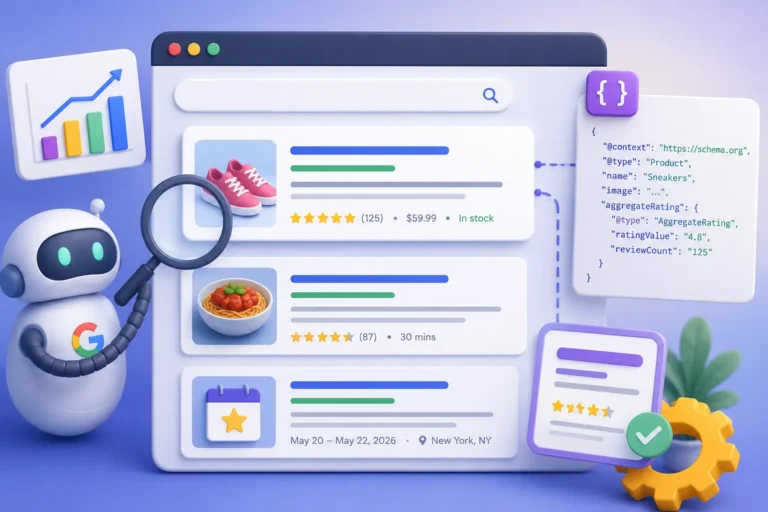
- Information Extraction Structure: Use bulleted lists, concise tables, clear section headings, and explicit Schema markup. AI engines favor structured data that can be parsed and cited quickly.
- Demonstrated E-E-A-T: Incorporate real experience, professional credentials, source links, and clear attribution. Search algorithms prioritize content backed by verifiable real-world expertise.
The Bottom Line
Keywords are not dead, but their role has transformed. They are no longer levers used to manipulate search positions. Today, keywords serve as a compass for audience intent, guiding you toward the exact problems, questions, and concepts your content needs to solve. Focus on topic mastery, structural clarity, and genuine user value, and search performance will naturally follow.




One Comment